Answer Engine Optimization Powerful Tips to Get Featured
Search is changing fast. Google now answers roughly 65% of searches without a single click, according to SparkToro’s 2024 zero-click study. Add AI Overviews, voice assistants, and tools like Perplexity into the mix, and you start to see the problem: ranking #1 no longer guarantees traffic the way it used to.
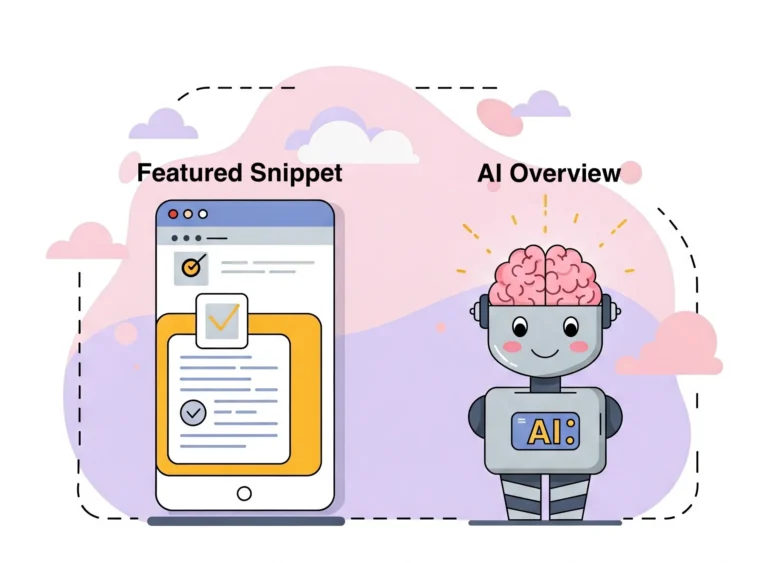
That’s where answer engine optimization (AEO) comes in. Unlike traditional SEO, which chases blue-link rankings, AEO focuses on getting your content selected as the direct answer whether that’s a featured snippet, a Google AI Overview citation, or a voice search response. This guide breaks down what AEO is, how it differs from standard SEO, and exactly how to structure your content so AI systems choose you.
What Is Answer Engine Optimization?
Answer engine optimization is the practice of structuring and formatting content so that AI-powered search engines, voice assistants, and generative tools can extract and present it as a direct answer to a user’s question.
Where SEO targets the algorithm signals that determine which pages rank, AEO targets the content signals that determine which answers get featured. Think of it as optimizing for the answer box rather than the results list.
The rise of Google AI Overviews (formerly Search Generative Experience), Perplexity, Microsoft Copilot, and voice search has made answer engine optimization critical discipline. These systems are essentially answer engines: they retrieve content, evaluate it for relevance and credibility, and synthesize a response. If your content isn’t structured to be retrieved cleanly, you won’t be cited even if you rank on page one.
AEO vs Traditional SEO
AEO and SEO aren’t competing strategies, they’re complementary. But they prioritize different outcomes. Here’s how they compare:
| Traditional SEO | Answer Engine Optimization (AEO) | |
|---|---|---|
| Goal | Rank in the top 10 blue links | Appear in direct answers, snippets, AI Overviews |
| Success metric | Click-through rate, organic traffic | Answer inclusion rate, zero-click impressions |
| Content format | Long-form, keyword-optimised pages | Concise, structured Q&A and schema-marked content |
| Key signals | Backlinks, authority, on-page keywords | E-E-A-T, structured data, answer clarity |
| Platforms | Google, Bing, DuckDuckGo | Google AI Overviews, Perplexity, Bing Copilot, voice assistants |
The practical upshot: you still need traditional SEO to build the authority that makes AI systems trust your content. But you also need Answer Engine Optimization techniques to ensure your content is structured in a way those systems can actually use.
How to Optimize for Featured Snippets
Featured snippets remain the most direct form of answer engine real estate. Google pulls them from pages that already rank in the top 10, so solid on-page SEO is your baseline. After that, it’s about content format.
Match Your Format to the Query Type
Google selects snippet formats based on query type:
- Paragraph snippets: best for “what is” and definitional questions (40–60 words)
- List snippets: best for “how to” steps or ranked items (use ordered or unordered lists)
- Table snippets: best for comparison queries or data-heavy answers
Use the Direct Answer First Strategy
For paragraph snippets, put your concise answer in the first 1–2 sentences under the relevant H2 or H3 heading. Aim for 40–60 words. Then elaborate in the paragraphs that follow. Google often pulls that opening block directly into the snippet.
For example, if your H2 is “What is AEO SEO?”, your opening sentences should define the term clearly and concisely before going deeper.
Optimizing for Google AI Overviews
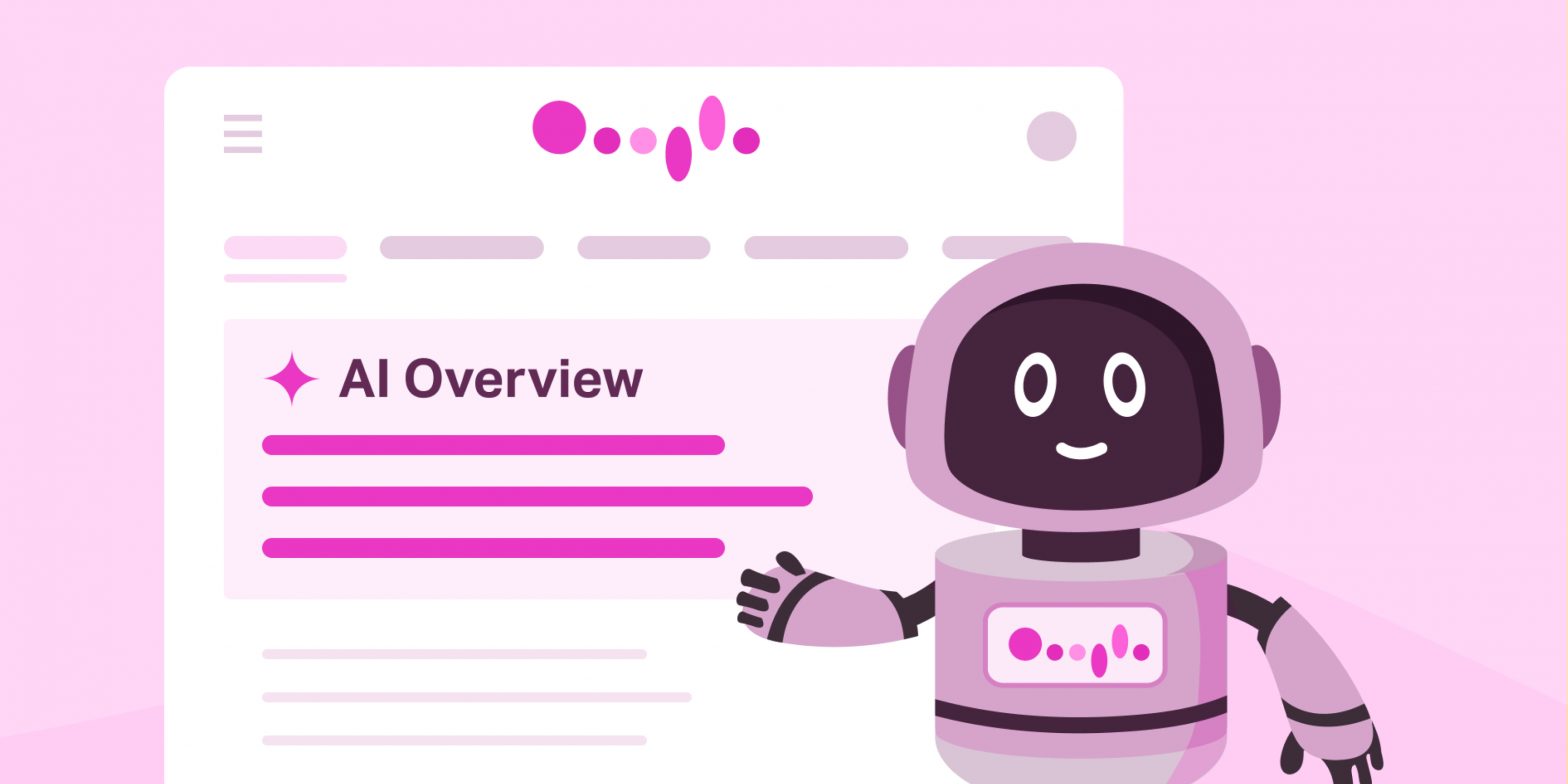
Google AI Overviews use a retrieval-augmented generation (RAG) approach: they retrieve relevant passages from indexed pages and synthesize a summarized response. Getting cited requires two things: your content needs to be indexed and trusted, and it needs to be structured so the retrieval layer can extract clean passages.
Key Tactics for AI Overview Inclusion
- Write modular content: each section should answer one question fully and stand alone
- Use clear, descriptive H2 and H3 headings that mirror user questions
- Avoid burying answers in long preambles, AI crawlers scan for the most relevant passage
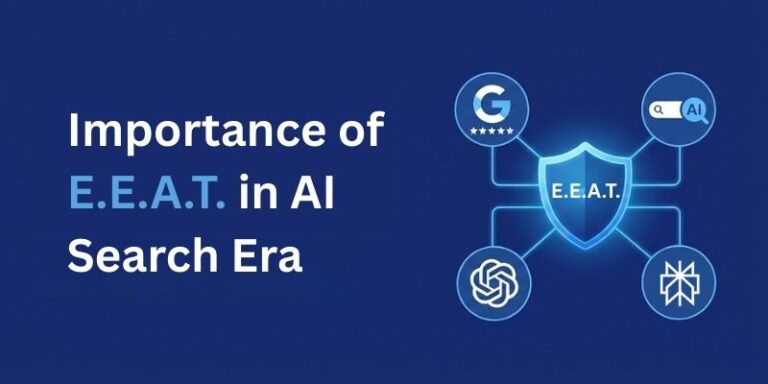
- Demonstrate E-E-A-T: cite sources, include author credentials, use accurate data
- Keep sentences factual and specific vague content rarely gets retrieved
Question-Based Keyword Research for AEO
AEO starts with the right questions. Users query AI systems in natural language, full sentences, not keyword fragments. Your research needs to reflect that.
Tools and Sources for Question Research
- Google People Also Ask (PAA): free, direct signal of related questions
- AlsoAsked and AnswerThePublic: visualize question clusters around a topic
- Ahrefs and SEMrush: filter by question-type keywords (who, what, how, why, when)
- Google Search Console: identify queries where you already appear but don’t rank highly
- Reddit and Quora: find the exact language real users use to ask questions
The goal isn’t just to find questions, it’s to map each question to a specific piece of content that answers it completely. A strong Answer Engine Optimization content structure treats every H2 or H3 as a standalone question-answer pair.
FAQ Schema Implementation for AEO
Schema markup is how you communicate content structure directly to search engines and AI systems. For AEO, FAQ schema and HowTo schema are your most powerful tools.
How to Implement FAQ Schema
FAQ schema uses JSON-LD format, embedded in the page <head> or at the bottom of the body. Here’s the core structure:
{
  "@context": "https://schema.org",
  "@type": "FAQPage",
  "mainEntity": [{
    "@type": "Question",
    "name": "What is answer engine optimization?",
    "acceptedAnswer": {
      "@type": "Answer",
      "text": "Answer engine optimization (AEO) is the practice of structuring content so AI-powered search engines can extract and present it as a direct answer to a user's question."
    }
  }]
}
Always validate your schema with Google’s Rich Results Test before publishing. Invalid markup won’t be processed. Google’s own documentation notes that FAQ schema can generate rich results in Search and in Google Assistant, an added benefit for voice search optimization.
Voice Search Optimization Tips
Voice search queries are conversational, longer, and almost always phrased as questions. Google Assistant, Siri, and Alexa all pull answers from featured snippets and structured content. Optimize for voice by:
- Writing in natural spoken language, read your content aloud to check for awkwardness
- Targeting long-tail question phrases (“how do I…”, “what’s the best way to…”)
- Keeping answers concise: aim for responses under 30 words when possible
- Ensuring your page loads fast Core Web Vitals affect voice search eligibility
- Including your business location and service area details for local voice queries
Roughly 27% of the global online population uses voice search on mobile, according to Google’s own research. For local businesses and agencies, showing up in “near me” voice queries can be a significant traffic channel that most competitors aren’t actively targeting.
FAQs
What is the difference between AEO and SEO?
SEO focuses on ranking pages in traditional search results. AEO focuses on getting content selected as a direct answer in featured snippets, AI Overviews, or voice responses. SEO builds the authority that makes AEO possible; AEO provides the structure that makes answers extractable.
Does AEO replace traditional SEO?
No, AEO and SEO work together. You generally need to rank in the top 10 before Google will pull a featured snippet from your page. Think of AEO as a layer on top of a solid SEO foundation, not a replacement.
How do I know if my content is appearing in AI Overviews?
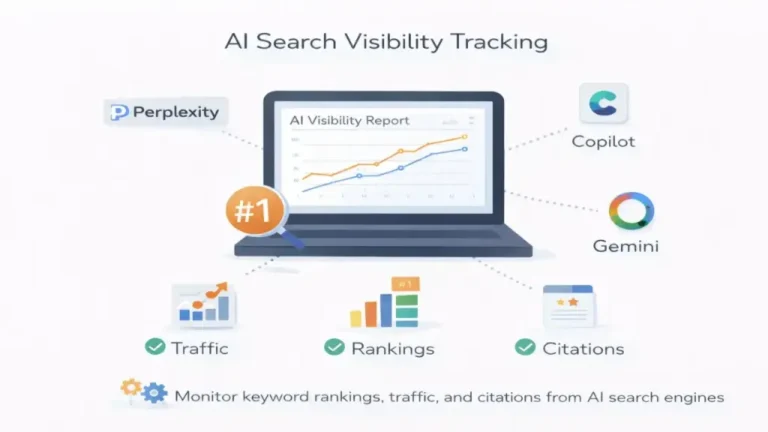
Currently, Google Search Console doesn’t directly report AI Overview citations. Your best approach is to manually check target queries in Google (in an incognito window) and use third-party tools like BrightEdge, SEMrush’s AI toolkit, or Accuranker, which have begun tracking AI Overview appearances.
Which schema types are most useful for AEO?
FAQ schema and HowTo schema are the most directly useful for Answer Engine Optimization. Article schema, Breadcrumb schema, and Organization schema also contribute to overall E-E-A-T signals. For local businesses, LocalBusiness schema is critical for voice and local AI search queries.
How long does it take for AEO changes to have an effect?
Results vary significantly. Featured snippet appearances can change within days of a page being recrawled. AI Overview citations may take several weeks to reflect content changes. Schema markup changes are typically picked up within 1–2 crawl cycles. Regular monitoring is essential since AI search behaviour is still evolving rapidly in 2025–2026.
Can smaller sites compete with big brands in AEO?
Yes, more so than in traditional SEO. AI systems prioritize answer clarity and content structure over domain authority alone. A well-structured, specific answer from a niche site can outperform a generic answer from a major brand, especially for long-tail and question-based queries.
Wrap Up
Answer engine optimization isn’t optional anymore, it’s the layer that determines whether your well-ranked content actually gets seen in an AI-first search world. Here’s what to take away:
- AEO and SEO are complementary: you need authority from SEO and structure from AEO to get featured
- Format content for the specific snippet type that matches your query (paragraph, list, or table)
- Use FAQ schema and HowTo schema to signal content structure directly to AI retrieval systems
- Research question-based keywords using PAA, AlsoAsked, and Ahrefs/SEMrush question filters
- Optimize for voice search with conversational language, fast load times, and concise answers
Ready to implement Answer Engine Optimization across your client campaigns? 7thClub’s white label SEO service includes full AI search optimization as part of our content strategy deliverables structured data implementation, featured snippet targeting, and AI Overview audits included. Get in touch with our team to see how we handle AEO at scale.