E-E-A-T AI Search Powerful Ways to Build Trust Fast
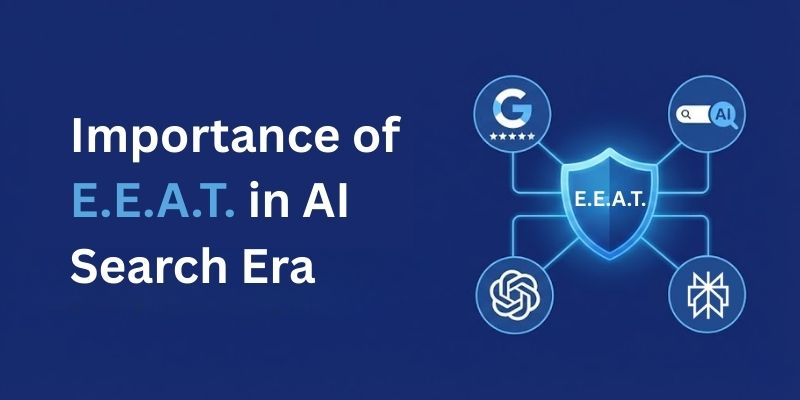
Google’s quality raters have evaluated E-E-A-T signals for years. But AI search has changed what those signals mean in practice. When ChatGPT, Perplexity, or Google AI Overviews decides whether to cite your content, it’s running its own version of a trust check and the criteria aren’t identical to traditional search.
E-E-A-T AI search visibility depends on signals that go well beyond keyword optimisation. AI systems evaluate author credibility, off-page brand mentions, content depth, and entity associations to decide which sources deserve citation. If your trust signals are weak, you’ll get skipped regardless of how well your page ranks organically.
This guide breaks down how AI systems evaluate trust, what you can do about it, and where most sites fall short.
How the E-E-A-T Framework Has Evolved for AI Search
Google introduced E-E-A-T (Experience, Expertise, Authoritativeness, Trustworthiness) as a quality evaluation framework in its Search Quality Rater Guidelines. The original E-A-T framework became E-E-A-T in December 2022 when Google added Experience as a standalone signal, acknowledging that first-hand knowledge carries distinct value from general expertise.
For traditional search, E-E-A-T influenced how quality raters assessed pages during manual reviews. It shaped algorithm updates but didn’t operate as a direct ranking factor in a mechanical sense.
AI search changes the dynamic. LLMs trained on web data absorb trust signals implicitly. They learn which sources consistently produce accurate, well-sourced, authoritative content. When generating answers, they retrieve from and cite those sources preferentially. The framework is the same; the mechanism is faster and more automated.
A site with strong E-E-A-T SEO 2026 signals gets cited more often in AI-generated responses. A site with thin author credentials, no off-page presence, and generic content gets passed over, even if it ranks well for the target keyword.
The 4 Components and What AI Systems Look For
| Component | Traditional Signal | AI Search Signal |
|---|---|---|
| Experience | First-hand content, case studies | Specific examples, original data, practitioner voice |
| Expertise | Author credentials, depth of content | Author entity recognition, topical consistency |
| Authoritativeness | Backlinks, brand mentions | Cross-platform mentions, citations in other authoritative content |
| Trustworthiness | HTTPS, accurate info, citations | Source attribution, fact-checkable claims, transparent authorship |
How AI Systems Actually Evaluate Trust Signals
Understanding the mechanics helps you optimise more precisely. AI systems don’t read trust signals the way a human quality rater does. They recognise patterns from training data and, in RAG-based systems, from live retrieval signals.
Entity Recognition and Brand Consistency
AI systems build knowledge graphs of entities, people, organisations, concepts. When your brand appears consistently across authoritative sources, the AI develops a stronger entity association. That association influences how often and how confidently the AI cites you.
If your brand name appears in Search Engine Journal, is linked from Ahrefs blog posts, has a Wikipedia mention, and shows up in industry reports, the AI treats you as an established entity. If your brand only appears on your own website, the AI has limited evidence to work from.
Audit your off-page entity footprint. Search your brand name in ChatGPT and Perplexity. Note whether they describe your brand accurately. Gaps in that description signal gaps in your entity recognition.
Content Depth and Topical Authority
AI systems favour sources that demonstrate consistent, deep knowledge of a specific topic area. A site that publishes one article on every topic signals breadth without depth. A site with 30 well-researched articles covering every angle of technical SEO signals genuine topical authority.
This connects to content cluster strategy. Building pillar pages and cluster articles around specific topics doesn’t just help traditional SEO, it creates the pattern of topical consistency that AI systems recognise as expertise.
Source Attribution and Factual Accuracy
AI systems trained on web data learn which sources cite credible references and which don’t. Content that includes specific data points, links to primary sources, and attributes claims accurately gets weighted more heavily as a training signal.
This is a practical reason to include external links to authoritative sources like Google Search Central and published studies. It signals to AI systems that your content operates at a standard where claims require evidence.
Author Bio Optimisation for AI Visibility
Author credibility is one of the most direct trust signals AI systems evaluate. An anonymous article or one attributed to a generic “staff writer” gives AI systems nothing to work with. A detailed author bio connected to a recognised entity gives them substantial signal.
What a Strong Author Bio Includes
- Full name used consistently across all platforms
- Specific credentials relevant to the content topic (not just job titles)
- Verifiable experience with specific examples (“10 years managing technical SEO for e-commerce clients with 7-figure organic revenue”)
- External profile links to LinkedIn, industry publications, Google Scholar if applicable
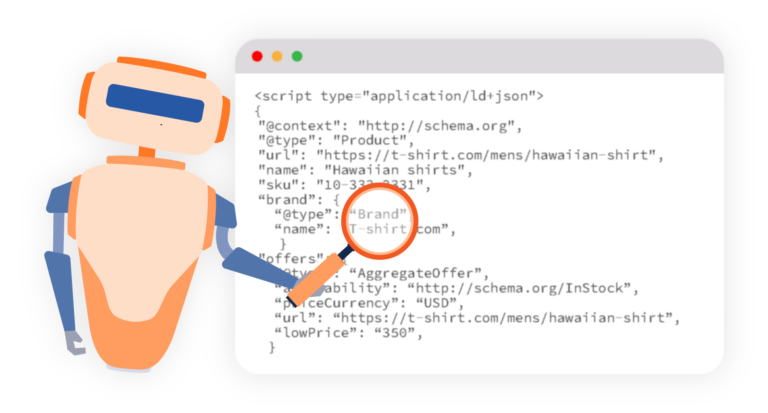
- AuthorPage schema connecting the author entity to the content
AuthorPage Schema Implementation
{
  "@context": "https://schema.org",
  "@type": "Person",
  "name": "Author Full Name",
  "jobTitle": "Senior SEO Strategist",
  "url": "https://7thclub.com/team/author-name",
  "sameAs": [
    "https://www.linkedin.com/in/authorname",
    "https://twitter.com/authorname"
  ],
  "knowsAbout": ["SEO", "Technical SEO", "Generative Engine Optimisation"]
}
The sameAs property is critical here. It connects your author entity across platforms, making them recognisable to AI systems as a consistent, real person with verifiable credentials.
Expertise Demonstration Strategies That AI Systems Recognise
Claiming expertise isn’t the same as demonstrating it. AI systems have absorbed enough content to recognise the difference between surface-level overviews and genuine practitioner knowledge.
Include Original Data and Specific Examples
Generic content says “backlinks improve rankings.” Expert content says “after building 23 editorial links to a product category page over 4 months, organic traffic increased 67% and the page moved from position 8 to position 2 for its primary keyword.”
Specificity signals experience. AI systems learn to prefer sources that provide this level of detail because users find it more useful.
Address Edge Cases and Nuance
Shallow content covers the standard case. Expert content acknowledges when the standard advice doesn’t apply. If you’re writing about Local SEO and you note that Google Business Profile optimisation works differently for service-area businesses versus storefront businesses, you’re demonstrating the kind of nuanced knowledge that separates practitioners from content mills.
Keep Content Current
Outdated information is an expertise red flag. If your article on Google AI Overviews still describes the feature as “Search Generative Experience,” AI systems trained on recent data will recognise the disconnect. Regular content audits that update statistics, replace outdated references, and add new developments signal an actively maintained, credible source.
Off-Page Trust Signals for AI Search Visibility
On-page E-E-A-T work only goes so far. AI systems draw heavily on how other authoritative sources talk about you.
Digital PR and Brand Mentions
Unlinked brand mentions in authoritative publications carry real weight for AI visibility. When Search Engine Land covers an industry study you published, when a recognised SEO expert cites your data in their newsletter, when your agency is listed in a credible “top agencies” roundup, those mentions feed into the AI’s understanding of your brand authority.
Digital PR campaigns that target editorial coverage in industry publications are one of the highest-ROI activities for AI trust signal building. The goal isn’t just the backlink, it’s the brand mention in a context that associates you with expertise.
Backlink Profile Quality
AI systems trained on web data absorb link graph signals. A strong backlink profile from topically relevant, authoritative sources signals credibility. This overlaps with traditional link building strategy, but the emphasis shifts slightly. For AI trust signals, a single editorial link from Search Engine Journal is worth more than fifty directory links.
Review Signals and Third-Party Validation
For local businesses and service providers, reviews on Google Business Profile, Trustpilot, and industry-specific platforms contribute to trustworthiness signals. AI systems answering questions about service providers factor in review volume and sentiment from sources they recognise as credible third-party validators.
YMYL Considerations for AI Search
Your Money or Your Life (YMYL) content finance, health, legal, safety faces the highest E-E-A-T bar in both traditional search and AI systems. AI platforms are particularly cautious about citing YMYL sources without strong trust signals because the consequences of inaccurate information are serious.
What YMYL Means for AI Citation
If you’re producing health or financial content, AI systems apply stricter credibility filters. A health article written by an unverified author with no medical credentials will rarely get cited by AI systems for direct health advice, even if it ranks well organically.
For YMYL content to earn AI citations, you need:
- Verified professional credentials on author bios (medical degree, financial qualifications, legal certification)
- Medical/legal review processes disclosed on the page
- Citations to primary sources (clinical studies, regulatory documents, official guidelines)
- Clear date stamps and update policies
- Disclaimer language appropriate to the content type
Industries Where YMYL Standards Apply
- Medical, health, and wellness
- Financial advice and investment
- Legal guidance
- Safety-critical information
- News and current events affecting public wellbeing
FAQs
What is E-E-A-T and why does it matter for AI search?
E-E-A-T stands for Experience, Expertise, Authoritativeness, and Trustworthiness. It’s Google’s framework for evaluating content quality. For AI search, these same signals influence which sources LLMs retrieve and cite when generating answers. Strong E-E-A-T AI search signals mean your content gets cited more frequently and more accurately in AI-generated responses.
How do AI systems evaluate author expertise?
AI systems recognise author entities through consistent name usage across platforms, verifiable credentials in author bios, external bylines on authoritative sites, and structured data like Person schema with sameAs properties. An author with a strong cross-platform entity presence gets treated as a credible source; an anonymous or generic author provides no trust signal.
Does E-E-A-T directly affect Google rankings?
E-E-A-T AI search is not a direct algorithmic ranking factor in the mechanical sense. It shapes how Google’s quality raters evaluate pages and influences algorithm updates. Stronger E-E-A-T signals correlate with better rankings, particularly after core updates, because those updates often reward content that quality raters consistently rate highly.
What are the most important off-page trust signals for AI visibility?
Brand mentions in authoritative industry publications, high-quality editorial backlinks, verified third-party reviews, and author bylines on recognised external sites are the most impactful off-page trust signals for AI visibility. Unlinked mentions in credible contexts carry more weight for AI than they do for traditional SEO link analysis.
How does YMYL content affect AI search visibility?
YMYL content faces stricter trust requirements from AI systems. Health, financial, and legal content without verified professional authorship rarely gets cited in AI-generated answers. To earn AI citations in YMYL categories, you need credentialed authors, disclosed review processes, primary source citations, and appropriate disclaimer language.
How do I check my current E-E-A-T signals?
Search your brand and key authors in ChatGPT and Perplexity to see how they’re described. Check your backlink profile in Ahrefs for authoritative referring domains. Audit your author bios for credential specificity. Review your content for original data, specific examples, and cited sources. Gaps in any of these areas indicate where to focus.
How long does it take to improve AI trust signals?
Building genuine E-E-A-T signals takes time. Author entity building through external bylines typically shows results in 3 to 6 months. Topical authority from content cluster development takes 6 to 12 months to accumulate meaningful AI citation improvements. Off-page brand mention campaigns through digital PR can show faster results, sometimes within 8 to 12 weeks of active coverage.
Key Takeaways
- E-E-A-T AI search visibility depends on trust signals that AI systems absorb from both your on-page content and your off-page presence across the web
- Author entity building is one of the highest-leverage actions verified, credentialled authors with cross-platform presence get cited far more than anonymous content
- Off-page signals including digital PR, editorial backlinks, and brand mentions in authoritative publications directly feed AI trust recognition
- YMYL content requires professional credentials and disclosed review processes to earn AI citations; generic authorship won’t pass the bar
- Topical authority through consistent, deep content cluster coverage signals expertise to AI systems more effectively than broad, shallow coverage
Ready to build AI trust signals that hold up? 7thclub.com’s white label SEO services include E-E-A-T auditing and authority building as core deliverables. Get in touch to see how we structure it for agency clients.