Generative Engine Optimization: A Complete Guide for 2026
Most marketers are still optimizing for a search experience that’s rapidly shrinking. Generative engine optimization (GEO) is the practice of making your content visible and citable inside AI-generated responses from ChatGPT and Perplexity to Google AI Overviews. And if you’re not thinking about it yet, your competitors probably are.
The term was formally introduced in a 2023 Princeton University research paper, which found that specific content attributes like statistics, citations, and authoritative sourcing could increase AI citation rates by up to 40%. That’s not a marginal gain. That’s the difference between being the source an AI quotes and being invisible entirely.
This guide covers exactly what GEO is, how it works, and the steps you can take right now to start appearing in AI-generated results.
What is Generative Engine Optimization?
Generative engine optimization is the process of structuring and positioning your content so that large language model (LLM)-based platforms including ChatGPT, Perplexity, Google Gemini, and Anthropic’s Claude select it as a source when generating responses.
Traditional SEO gets you ranked. GEO gets you cited.
The distinction matters because AI search tools don’t return a list of links for users to browse. They synthesize an answer and, in some cases, attribute sources. If your brand, data, or expertise isn’t woven into that answer, you don’t exist in that result regardless of your Google ranking.
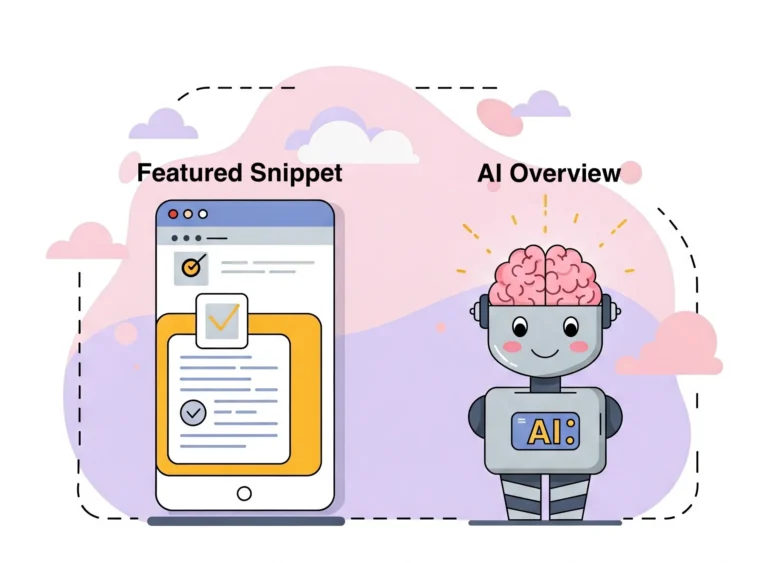
GEO sits alongside answer engine optimization (AEO) and traditional SEO as the third leg of a complete modern search strategy. Where SEO targets rankings and AEO targets featured snippets, GEO specifically targets LLM visibility across AI-native platforms.
Where Did GEO Come From?
Researchers at Princeton, Georgia Tech, and IIT Delhi published the foundational GEO paper in 2023, testing how different content attributes affected citation frequency in AI-generated responses. Their findings were clear: content with fluent language, verifiable statistics, and clear citations was substantially more likely to be referenced by AI systems than content without those signals.
That research laid the groundwork for what’s now becoming a core discipline in digital marketing.
How GEO Works
To optimize for AI search, you need to understand how most AI search tools actually retrieve information. The dominant architecture is called Retrieval-Augmented Generation (RAG).
Here’s how it works in practice:
- A user submits a query to an AI search tool (say, Perplexity or Google AI Overviews)
- The system runs a web retrieval step pulling potentially relevant pages from its index
- Those retrieved pages are passed to the language model as context
- The LLM generates a synthesized response, drawing from the retrieved content
- In citation-enabled tools like Perplexity, sources are attributed in the output
The implication for GEO is direct: if your content doesn’t get retrieved in Step 2, it can’t be cited in Step 5. This is why traditional SEO signals authority, indexation, relevance still matter in a GEO strategy. You need to be retrievable before you can be citable.
But retrieval is just the entry point. Once your content is in the context window, the LLM decides how much weight to give it. That’s where GEO-specific signals take over.
The 5 Pillars of GEO
The Princeton research and subsequent practitioner testing have converged on five content attributes that consistently improve AI citation rates.
1. Authority Signals
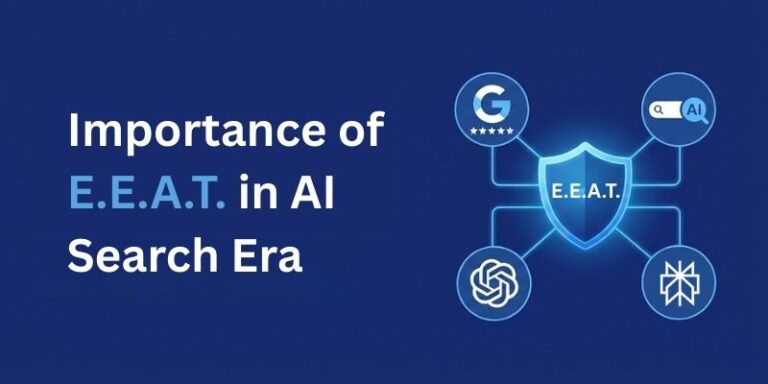
AI systems are trained to weight authoritative sources more heavily. This means E-E-A-T signals named authors with verifiable credentials, organizational trust markers, and third-party references to your brand directly influence how often you get cited.
Build authority by publishing content under named experts, earning editorial mentions in recognized publications, and maintaining consistent brand presence across authoritative sites. Unlinked brand mentions count here, AI models recognize entity associations, not just hyperlinks.
2. Structured, Scannable Information
AI systems parse content more effectively when it’s clearly organized. Use descriptive H2 and H3 headings. Break complex information into concise bullet points. Define terms clearly in the first sentence of each section.
Think of your content structure as instructions to an AI on where to find specific answers. The clearer your organization, the more precisely the model can extract and attribute your information.
3. Natural, Fluent Language
The Princeton paper specifically identified fluency as a citation-boosting attribute. Content that reads naturally, uses complete sentences, and avoids jargon-heavy writing gets pulled into AI responses more consistently than technically dense or keyword-stuffed alternatives.
This is one area where writing for humans and writing for AI genuinely align. Clear, readable prose wins on both fronts.
4. Citation-Worthy Content
Original data, specific statistics, and citable facts make your content useful to AI systems in a very direct way, they give the model something concrete to reference. A sentence like “47% of marketers increased their AI search budget in 2025” is far more likely to appear in an AI response than a general claim like “AI search is growing rapidly.”
Invest in original research. Commission surveys. Analyze your own data and publish findings. Even modest data points from a niche survey can generate consistent AI citations if they’re specific and verifiable.
5. Content Freshness
AI search tools that use real-time retrieval (like Perplexity and Google AI Overviews) favor recently published and recently updated content for queries where recency matters. Regular content updates even adding a new stat, refreshing an example, or updating a date signal freshness to both AI retrievers and traditional crawlers.
For evergreen topics, aim to review and refresh your top-performing pages quarterly.
GEO Metrics
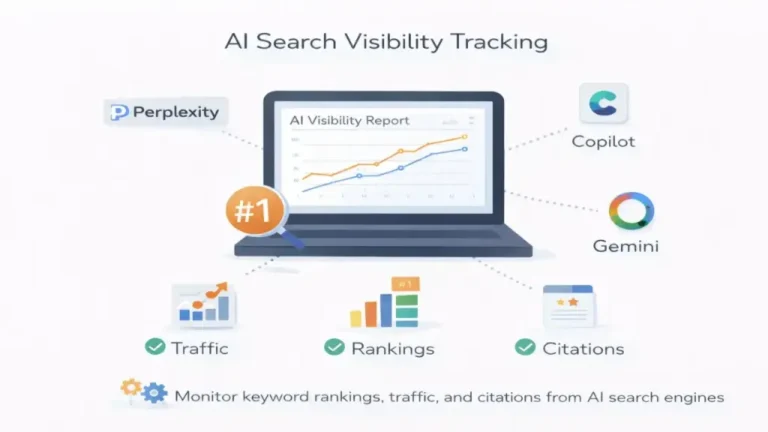
One of the genuine challenges with GEO is measurement. Unlike traditional SEO, there’s no ranking position to track. But there are three meaningful metrics worth monitoring:
| Metric | What It Measures | How to Track |
|---|---|---|
| Citation Frequency | How often your content is cited in AI responses | Manual query testing in Perplexity, ChatGPT; tools like BrightEdge |
| Brand Visibility | How often your brand name appears in AI-generated answers | Branded query testing across platforms |
| AI Share of Voice | Your citation rate vs. competitors on shared topics | Side-by-side query comparison |
These aren’t perfectly automated yet, some of this tracking requires manual sampling. But running 20-30 target queries across Perplexity and ChatGPT weekly gives you a reasonable baseline and trend line. Tools like BrightEdge and early-stage GEO-specific platforms are starting to automate this tracking at scale.
How to Implement GEO
- Audit your current AI visibility. Run your 20 most important topic queries across Perplexity and Google AI Overviews. Document where you appear and where competitors are being cited instead.
- Add author credentials to all content. Every piece should have a named author with a bio that includes verifiable expertise signals: job title, experience years, relevant credentials, links to external profiles.
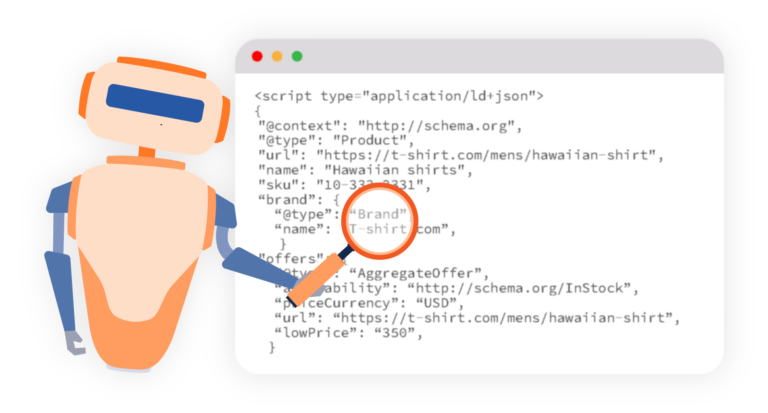
- Implement FAQ and Article schema. Structured data helps both Google’s RAG system and third-party AI tools identify and extract your content accurately.
- Create citable statistics pages. Compile original data, industry statistics, or survey results into dedicated resource pages. These become natural citation targets for AI systems generating topic overviews.
- Build topical depth across content clusters. AI systems favor sources that demonstrate comprehensive knowledge of a topic not just a single good article. Build 8-12 interconnected pieces around each core topic area.
- Launch a targeted Digital PR campaign. Earn mentions and backlinks from recognized industry publications. Each authoritative reference reinforces your entity authority in the training data and retrieval signals that AI models use.
FAQs
What is generative engine optimization in simple terms?
Generative engine optimization (GEO) is the practice of optimizing your content to be cited by AI-powered search tools like ChatGPT, Perplexity, and Google AI Overviews. Where traditional SEO gets your page ranked in a list of links, GEO gets your brand referenced inside the AI-generated answer itself. It focuses on authority signals, structured content, original data, and clear, fluent writing.
Is GEO the same as SEO?
No, but they overlap significantly. Traditional SEO focuses on ranking in search engine results pages through signals like backlinks, keyword relevance, and technical health. GEO focuses specifically on being cited by AI systems in generated responses. The good news is that strong SEO foundations authority, technical health, topical depth directly support GEO performance. They’re complementary strategies, not competing ones.
What is GEO marketing?
GEO marketing is the application of generative engine optimization principles to a brand’s broader marketing strategy. It includes creating citation-worthy content, building entity authority through digital PR, structuring web content for AI retrieval, and monitoring brand visibility across AI-generated search results. For agencies, GEO marketing is increasingly a standalone service offering alongside traditional SEO and content marketing.
How do I optimize for AI search as a beginner?
Start with three steps: add named author bios with credentials to your existing content, implement FAQ schema on your top 20 pages, and run weekly manual checks in Perplexity to see which sources are being cited for your core topics. These three actions address the most immediate GEO gaps without requiring a complete content overhaul. From there, build toward original research and a full content cluster strategy.
How long does GEO take to show results?
It depends on your current domain authority and content quality. Sites with strong existing E-E-A-T signals often see measurable AI citation improvements within 4-8 weeks of implementing structured data and content optimization. Building broader entity authority through digital PR and original research typically takes 3-6 months. Perplexity citations tend to come fastest because it retrieves content in real time rather than relying on training data.
Does GEO work for small businesses and agencies?
Yes, and often more effectively than you’d expect. AI search tools like Perplexity don’t apply the same domain authority thresholds that Google does for traditional rankings. Highly specific, well-structured content on niche topics can earn consistent AI citations even from mid-authority domains. For agencies, this is also a genuine new service opportunity, GEO audits and implementation are increasingly in demand from clients who’ve noticed traffic changes from AI Overviews.
Wrapping Up
Generative engine optimization is moving from early-adopter territory to mainstream practice, and the window for first-mover advantage is still open but it won’t be for long.
Here’s what to take away from this guide:
- GEO targets AI citations, not rankings. It’s about being the source an AI references, not just a link a user might click.
- RAG architecture means your content needs to be retrievable first, traditional SEO signals still matter as the foundation.
- The 5 pillars authority, structure, fluency, citable data, and freshness are your practical optimization levers.
- Citation Frequency, Brand Visibility, and AI Share of Voice are the core metrics to track, even if measurement is still largely manual.
- GEO and SEO work together. Building one strengthens the other.
Your next step is a visibility audit. Run your top topic queries across Perplexity and Google AI Overviews today. Find out where you’re being cited and where you’re not. That gap is your GEO roadmap.
At 7thClub.com, our white label SEO services now include full GEO strategy and implementation from structured data audits to citation-building content programs. Explore our AI search optimization services or read our full guide to AI Search Optimization, SEO, AEO, and GEO strategies for 2026 to go deeper on the hybrid approach.