Link Building Strategies 2026: Proven Methods
Link building strategies still works in 2026. But the old tactics? Many no longer cut it.
Google’s algorithms have grown smarter. AI search tools like Google AI Overviews and Perplexity now reward genuine authority and helpfulness. Meanwhile, 94% of online content never earns a single external link. That leaves a huge opportunity for those who do it right.
At 7thClub, we help agencies deliver white label SEO results through smart, ethical link building strategies. We’ve seen campaigns that quietly move the needle over months and others that explode visibility when they combine strong content with targeted outreach.
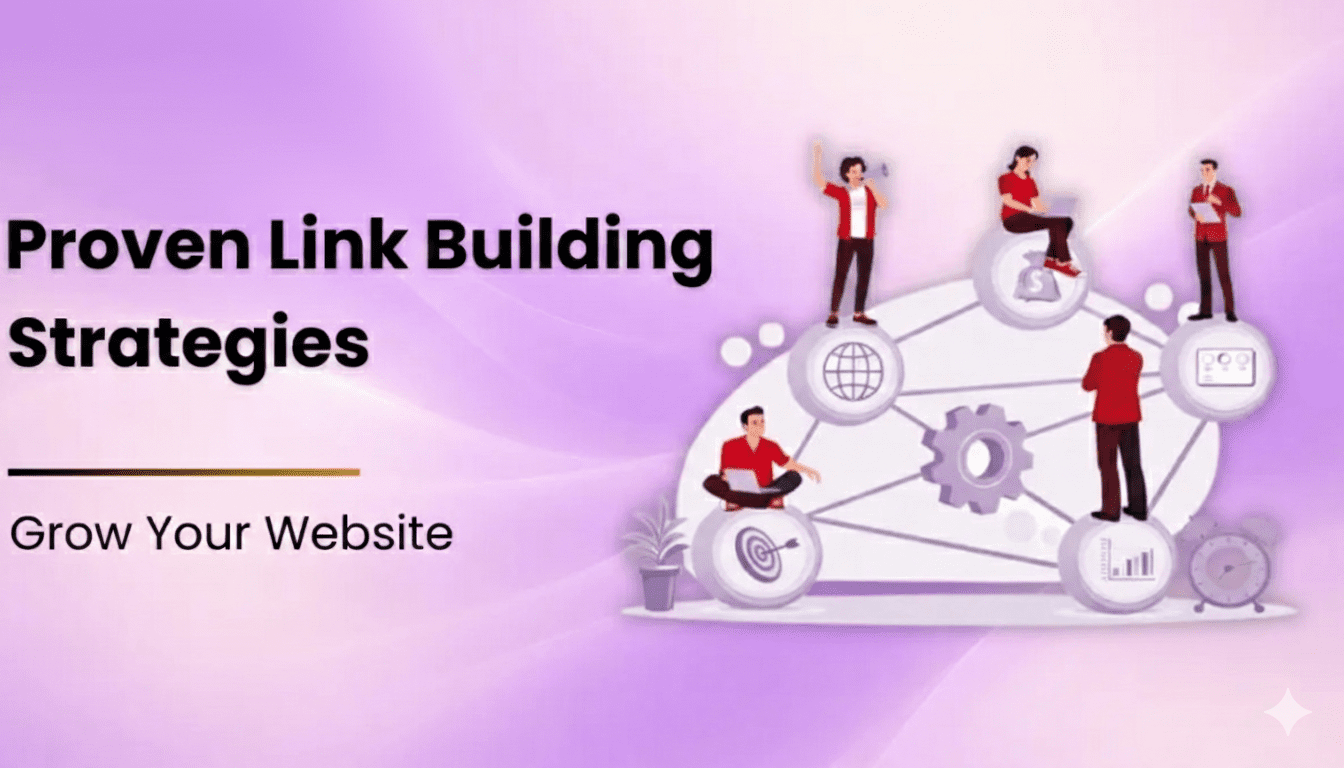
This guide gives you the link building strategies that actually work right now. You’ll learn how to evaluate link quality, implement proven methods like digital PR and broken link building, navigate the AI era, and set realistic timelines. No fluff. Just actionable steps you can start using today.
Ready to build a backlink profile that supports real growth? Let’s get into it.
Link Building and Why It Still Matters in 2026

Link building is the process of acquiring hyperlinks from other websites to your own. These backlinks act as votes of confidence. They tell search engines and increasingly AI tools that your content deserves attention.
Backlinks remain one of Google’s key ranking signals. Studies consistently show that top-ranking pages tend to have more high-quality links than lower ones. Yet the game has evolved. Manipulative tactics like private blog networks or mass guest posts now risk penalties more than ever.
In 2026, effective link building strategies focus on earning links through value. You create content or experiences so useful that others reference them naturally. Or you build relationships that lead to editorial mentions.
Why does it matter more now? AI search engines cite sources from authoritative, well-linked sites. A strong link profile boosts your chances of appearing in AI answers, driving both traditional traffic and brand visibility. Plus, referral traffic from relevant sites converts well.
For agencies offering white label services, strong link building strategies differentiate you. Clients see measurable authority gains without the risks of black-hat methods.
Link Quality Factors in 2026
Not all backlinks help equally. Google evaluates links based on several signals, and AI tools do something similar when deciding what to cite.
Factors include:
- Relevance: The linking page and site should relate to your niche. A fitness blog linking to your supplement guide carries more weight than a random directory.
- Authority: Links from sites with strong Domain Rating (DR) or Domain Authority (DA) matter more. Tools like Ahrefs and Moz help measure this.
- Traffic: Sites that actually get visitors pass more real-world value.
- Placement and Context: Editorial links in the main content outperform footer or sidebar ones. Natural anchor text that fits the surrounding copy performs best.
- Diversity: A healthy profile mixes link types, sources, and anchor texts. Too many exact-match anchors from similar sites can look unnatural.
Manually review potential links. Metrics alone miss context. A DR 70 site in an unrelated niche helps less than a DR 40 one in your exact field. Focus on these factors, and your link profile supports both Google rankings and AI visibility.
E-E-A-T and Link Building
Google’s E-E-A-T framework (Experience, Expertise, Authoritativeness, Trustworthiness) guides quality assessment. While not a direct ranking factor, it influences how algorithms evaluate content and sites.
High-quality backlinks from authoritative, trustworthy sources signal your own E-E-A-T. When a respected industry publication links to your research or a professional association cites your guide, it builds credibility.
Ways to align link building with E-E-A-T:
- Prioritize links from sites demonstrating real expertise (e.g., authors with credentials, original research).
- Earn links through first-hand experience content, like detailed case studies from your campaigns.
- Build relationships with journalists and experts for authentic mentions.
- Avoid links from low-trust or spammy sites, use Google Search Console and disavow tools when needed.
In our white label work, clients with strong E-E-A-T signals see faster recovery from algorithm updates and better performance in competitive niches.
Top Link Building Strategies That Deliver Results
Here are the methods that consistently work based on 2025-2026 industry data and our client results.
1. Digital PR: The #1 Tactic
Digital PR tops the list. Nearly 49% of SEO professionals rate it as the most effective approach. It involves creating newsworthy stories, original data, or expert insights that earn coverage in publications.
How to do it well:
- Develop original surveys, studies, or data visualizations.
- Pitch journalists with clear angles and supporting assets.
- Target relevant publications in your niche.
- Track both links and unlinked brand mentions.
Digital PR delivers high-authority links, media exposure, and AI citations. It takes more effort upfront but builds sustainable authority.
2. Guest Posting Done Right
Traditional “guest post for links” has lost favor, but audience-first guest contributions still work when done authentically. Focus on providing genuine value to the host site’s readers. Choose publications your target audience reads. Avoid exact-match anchors and low-quality networks. Success comes from building relationships first, comment on their content, share their work, then pitch.
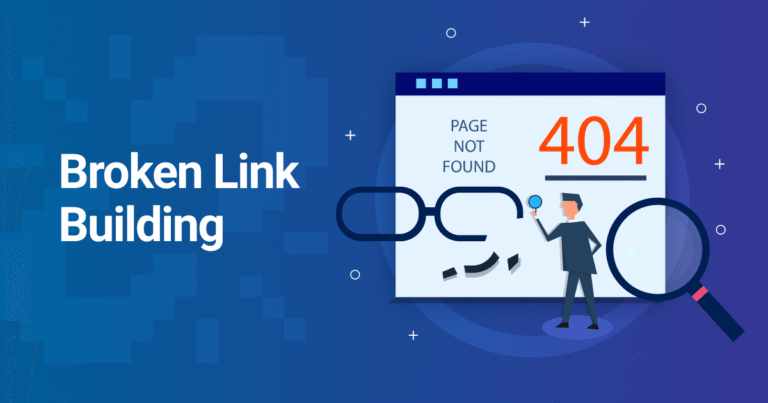
3. Broken Link Building
This is one of the white-hat link building strategies remains highly effective. You find broken links on relevant pages and offer your content as a replacement.
Step-by-step process:
- Find opportunities. Use tools like Ahrefs or SEMrush to scan resource pages or high-traffic articles in your niche for 404 errors. Google operators like keyword + “resources” OR “links” help discover targets.
- Create or identify replacement content. Make sure your page is better, more comprehensive, updated, or visually appealing. Check the Wayback Machine for the original if needed.
- Outreach personally. Email the site owner. Point out the broken link politely and explain why your resource fits. Example: “I noticed your excellent guide on [topic] has a broken link to [old resource]. I’ve created an updated version that covers [specific improvements].”
- Follow up once. A polite nudge after 7-10 days often boosts response rates.
- Track and nurture. Log everything in a spreadsheet.
This approach feels helpful rather than salesy, leading to higher success rates and natural links.
4. Resource Page Outreach
Many sites maintain “resources,” “tools,” or “further reading” pages. These actively seek valuable links.
Steps to success:
- Locate pages as Search operators like intitle:resources OR intitle:links “your keyword”.
- Vet thoroughly. Check relevance, authority, and current maintenance.
- Craft your pitch: Highlight how your content adds value. Mention any broken links on their page as a bonus.
- Reference specific items already on their list.
Conversion rates can be strong because these pages exist to link out.
Additional High-Impact Tactics
- Skyscraper Technique. Find top-performing content, create something better, then reach out to people who linked the original.
- Unlinked Brand Mentions. Use tools to find mentions without links, then politely request attribution.
- Podcast Interviews and Expert Roundups. Share your expertise and often earn natural links.
- Data-Driven Content. Original statistics or studies attract links naturally.
Mix these based on your resources and goals.
Link Building in the AI Era

AI search changes priorities but doesn’t eliminate the need for links. Backlinks help pages rank in traditional results, which often feeds into AI Overviews. Many experts believe strong links increase citation chances in tools like Perplexity and ChatGPT.
Adapt your approach:
- Create content optimized for direct answers and easy citation.
- Earn mentions and quotes from experts (even without links, these help AI trust signals).
- Use original data that AI tools love to reference.
- Focus on topical authority through content clusters supported by internal and external links.
At 7thClub, we help clients appear in AI responses by combining strong link profiles with helpful, experience-backed content.
Running a Successful Link Building Campaign
- Set clear goals: More traffic? Better rankings for specific keywords? Brand awareness?
- Audit your current profile: Use Ahrefs or SEMrush to identify strengths, gaps, and toxic links.
- Create link-worthy assets: Invest in content or tools people want to reference.
- Prospect and prioritize: Build a targeted list of sites.
- Execute outreach: Personalize at scale using templates but human touches.
- Follow up and build relationships: Consistency wins here.
- Monitor, analyze, and iterate: Adjust based on what works.
Start small if you’re new. One strong campaign teaches more than theory.
Measuring Your Link Building Success
Look beyond raw link count:
- Referring domains and traffic: Quality over quantity.
- Organic rankings and traffic: Use Google Search Console and GA4.
- Brand mentions: Track unlinked citations.
- ROI: Connect to leads or revenue when possible.
Tools like Google Analytics 4 help tie links to actual business outcomes.
Common Mistakes to Avoid
- Chasing low-quality or irrelevant links.
- Over-optimizing anchor text.
- Ignoring mobile experience or site speed on your own pages.
- Expecting overnight results.
- Using automated, spammy outreach.
Always ask: Would I want this link if search engines didn’t exist?
Essential Tools for 2026
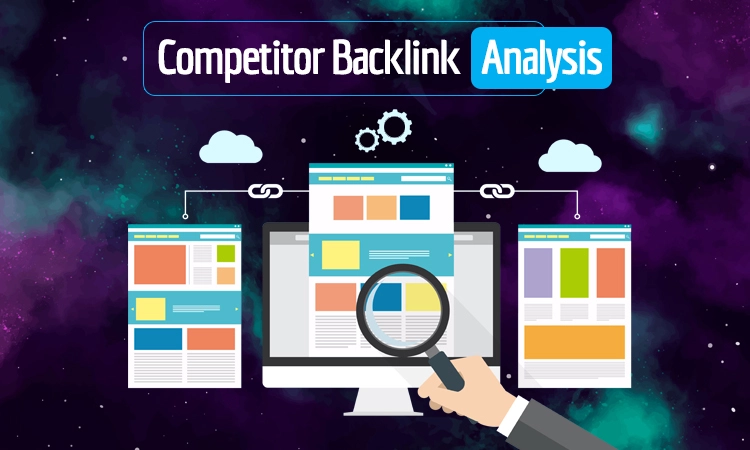
- Ahrefs or SEMrush: For prospecting, analysis, and competitor research.
- Google Search Console & Analytics: Free foundational insights.
- Moz or Majestic: Alternative link metrics.
- Hunter.io or similar: For finding contact emails.
- Screaming Frog: Site audits and broken link discovery.
- AI assistants: For drafting (but always personalize).
When to See Results
Link building is rarely instant.
- Short-term (1-3 months). Initial links acquired, some referral traffic.
- Medium-term (3-6 months). Ranking improvements for targeted pages, noticeable authority gains.
- Long-term (6-12+ months). Compound effects, stronger topical authority, sustained AI visibility, and organic link attraction.
Patience and consistency pay off. The best profiles grow steadily over years.
FAQs
1. Is link building still effective in 2026 with AI search?
Yes. Quality backlinks help pages rank in Google and increase citation chances in AI tools. Focus on authority and relevance.
2. How many backlinks do I need?
Quality matters far more than quantity. A handful of strong, relevant links often outperform dozens of weak ones.
3. Should I buy links?
No. Google penalizes paid links that manipulate rankings. Earn them through value instead.
4. What’s the best strategy for beginners?
Start with broken link building or resource page outreach. Both offer clear value to the recipient and relatively high success rates.
5. How does digital PR differ from traditional link building?
Digital PR earns links through newsworthy stories and media coverage. It often produces higher-authority links and broader brand benefits.
6. Can small businesses compete?
Absolutely. Niche focus, original insights, and relationship building level the playing field against bigger players.
7. How do I avoid toxic links?
Regularly audit your profile. Disavow spammy or irrelevant links via Google Search Console when necessary.
Key Takeaways and Next Steps
Link building in 2026 rewards those who create genuine value and build real relationships. Prioritize quality, align with E-E-A-T, and adapt to AI-driven search.
Quick action list:
- Audit your current backlink profile this week.
- Create one link-worthy asset (guide, study, or tool).
- Identify 20-30 target sites for outreach.
- Test one strategy, broken links or resource pages work well for starters.
At 7thClub, we specialize in white label SEO and digital marketing services, including expert link building and digital PR campaigns that agencies can resell profitably. If you’d rather focus on client delivery while we handle the heavy lifting,reach out to learn about our white label SEO services.
Link building strategies takes effort, but the right approach builds lasting authority. Start today, stay consistent, and watch your site’s visibility grow.