Digital PR Link Building Fast Ways to Earn Top Links in 2026
Most link building tactics feel like a grind. You send 200 outreach emails, get 3 replies, and land 1 mediocre link. There’s a better way.
Digital PR link building flips that model. Instead of chasing links, you create content so compelling that journalists, editors, and bloggers actively want to reference you. The result? Editorial links from high-DR publications that no amount of cold emailing could buy.
In this guide, you’ll learn exactly how to build a digital PR strategy that earns real media coverage, drives authoritative backlinks, and delivers measurable SEO results. From newsjacking to journalist outreach and ROI tracking, we’ve covered everything you need to execute this in 2026.
Digital PR vs Traditional PR
Traditional PR focuses on brand reputation. Press releases, media relationships, crisis management. The goal is visibility and sentiment. Backlinks are an afterthought, if they’re considered at all.
Digital PR link building has a different primary objective: earning editorially placed links from authoritative online publications. Coverage still matters, but every campaign is designed with link acquisition baked into the strategy.
Here’s a quick comparison:
| Factor | Traditional PR | Digital PR |
|---|---|---|
| Primary Goal | Brand awareness | Links + brand awareness |
| Target Media | Print, broadcast, online | Online publications, blogs, news sites |
| Success Metric | Press mentions, reach | Backlinks, Domain Rating, organic traffic |
| Content Format | Press releases, statements | Data studies, tools, expert commentary |
| SEO Impact | Indirect | Direct |
The overlap is real, though. A well-executed digital PR campaign builds brand authority AND earns PR backlinks simultaneously. That’s the efficiency play most agencies are missing.
Why Digital PR Link Building Matters for SEO in 2026
Google’s algorithms have matured significantly. Spammy link schemes get filtered. Bought links carry risk. But editorial links earned through legitimate coverage remain one of the strongest ranking signals Google recognises.
According to Ahrefs’ research, the number of referring domains pointing to a page correlates strongly with its ability to rank. One link from a major publication like Forbes or TechCrunch can outweigh dozens of niche directory links.
Beyond raw ranking power, digital PR link building delivers several compounding benefits:
- Brand mentions that increase E-E-A-T signals Google uses to evaluate trustworthiness
- Referral traffic from readers who click through to your site
- Topic authority as more high-quality sites associate your brand with specific subjects
- Indexation speed, as links from crawled publications help Google discover and index your content faster
For agencies operating white label SEO services, digital PR is increasingly a core deliverable clients expect, not an optional extra.
Newsjacking: Riding the News Cycle for Backlinks

Newsjacking is the practice of inserting your brand or expertise into a breaking news story. Done right, it earns fast, high-authority coverage. Done poorly, it looks opportunistic and gets ignored.
The key is speed and relevance. When a major story breaks in your industry, journalists need expert commentary within hours, not days. If you can provide a smart, well-framed quote or angle quickly, you have a real chance of getting cited.
How to execute newsjacking effectively:
- Set up Google Alerts for your primary industry keywords, competitors, and regulatory topics
- Follow key journalists on Twitter/X and LinkedIn who cover your niche
- Prepare commentary templates in advance so you can respond quickly without starting from scratch
- Pitch your unique angle, not a restatement of the news itself. Journalists want analysis, predictions, and contrarian takes
For example, if a major Google algorithm update rolls out, an SEO agency can quickly publish analysis and pitch it to Search Engine Journal or Search Engine Land. Those publications need expert voices fast, and that need creates link opportunities.
This is digital PR link building at its most efficient. Low resource cost, high potential reward.
Data-Driven Content: The Cornerstone of PR Backlinks
Journalists cite sources. That’s their job. If you want to be cited, become a source.
Data-driven content is the single most reliable way to earn editorial links at scale. Original research, surveys, industry studies, and compiled data sets give reporters something concrete to reference. And when they reference you, they link to you.
Types of data content that attract PR backlinks:
- Original surveys: Poll 500+ people in your industry and publish the findings
- Annual reports: Compile data on trends relevant to your sector year-over-year
- Index or ranking content: Create a proprietary scoring system and rank companies, cities, or products
- Statistical roundups: Curate existing data from multiple sources into a definitive reference page
- Freedom of Information requests: In the UK and US, FOI requests can surface exclusive data no competitor has
A study by Moz found that original research and data pages attract significantly more backlinks than standard blog posts. The reason is simple: other content creators need statistics, and they’ll always link to the original source.
When building digital PR link building campaigns around data, make sure the data is genuinely surprising, regionally specific, or timely. Journalists don’t cover expected findings.
Journalist Outreach Methods
The HARO (Help a Reporter Out) service shifted to Connectively and later wound down its original form. That left a gap in the market, but several alternatives have filled it.
Current outreach platforms worth using in 2026:
- Featured.com (formerly Terkel): Experts submit quotes to journalist questions. High acceptance rates for niche topics.
- Qwoted: Built specifically for PR and media outreach. Real journalists with real deadlines.
- ProfNet (via PR Newswire): Enterprise-level but excellent for B2B industries
- SourceBottle: Strong for UK and Australian media coverage
- JournoRequests on X/Twitter: Journalists post requests publicly. Monitor relevant hashtags daily.
Beyond platforms, direct outreach still works when it’s genuinely personalised. Generic mass emails don’t. A journalist who covers fintech doesn’t want your email about restaurant industry trends. Obvious stuff, but most outreach ignores it.
A working outreach framework:
- Identify the journalist by name and read 3-5 of their recent articles
- Reference a specific piece in your pitch opening
- Explain your angle in 2-3 sentences max
- State your credentials clearly
- Attach data or a brief summary document
- Follow up once, after 3-4 business days
This kind of personalised approach is what separates effective digital PR link building from spam campaigns that damage your sender reputation.
How to Pitch Stories Editors Can’t Ignore
The pitch is where most digital PR campaigns fail. The story idea might be solid, but if the pitch doesn’t communicate its newsworthiness immediately, it gets deleted.
The anatomy of a high-converting PR pitch:
Subject line: Lead with the story angle, not your company name. “New data: 67% of UK SMEs overpaying for digital marketing services” outperforms “Press release from 7thClub”.
Opening paragraph: State the hook within the first two sentences. What’s the surprising finding, the trend, or the timely relevance?
The data: Include your key statistic or insight immediately. Don’t make them scroll to find it.
Why now: Journalists think in terms of newsworthiness. Tie your pitch to a current conversation, a regulatory change, or a seasonal angle.
Your ask: Be specific. Are you offering an exclusive? An interview? Data access? Make it clear what you’re proposing.
Keep pitches under 200 words for initial contact. If they want more, they’ll ask. Long pitches signal that you don’t understand their time constraints.
Strong pitching is the human layer that makes digital PR link building work at scale. The tools and platforms get you access; the pitch quality determines your conversion rate.
Measuring Digital PR ROI and Link Performance
One of the legitimate criticisms of PR has always been the difficulty of measuring its impact. Digital PR solved most of that problem, but you still need to track the right metrics.
Key metrics for digital PR link building campaigns:
| Metric | What to Track | Tool |
|---|---|---|
| Links Earned | Total new referring domains | Ahrefs, SEMrush |
| Link Quality | Average DR of linking sites | Ahrefs |
| Anchor Text | Branded vs. keyword vs. naked | Ahrefs, Moz |
| Traffic | Referral sessions from coverage | Google Analytics 4 |
| Brand Mentions | Total mentions (linked and unlinked) | Mention, Brand24 |
| Keyword Rankings | Movement in target keyword positions | SEMrush, Ahrefs |
| Domain Rating Lift | Overall DR change over campaign period | Ahrefs |
For agency reporting, tie these metrics back to client business goals. A 15% lift in Domain Rating means little to a client who doesn’t understand SEO. But “your brand was mentioned in 12 national publications and you gained 47 new backlinks from high-authority domains” is tangible.
Set a baseline before you launch any campaign. Without a starting point, you can’t demonstrate what digital PR link building actually delivered.
Google Search Console remains the most accurate source for tracking which pages are gaining the most new links over time. Cross-reference this with your Ahrefs or SEMrush data for a complete picture.
Digital PR Mistakes to Avoid
Pitching too broadly: Sending the same pitch to 500 journalists simultaneously. It reads like spam because it is spam. Segment your outreach by beat, publication type, and geography.
Publishing data without a story angle: Raw data doesn’t earn links. The narrative around the data does. “We surveyed 1,000 marketers” is not a pitch. “Most UK marketers are wasting 40% of their budget on channels that don’t convert, new data shows” is.
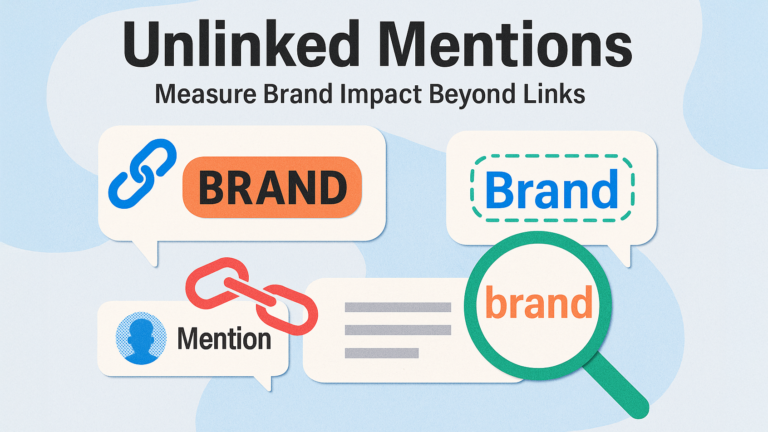
Ignoring unlinked mentions: Tools like Ahrefs and Mention track brand mentions without links. These are warm leads. A simple email to the journalist noting you appreciated the mention and asking if they’d add a link converts at a surprisingly high rate.
Building links to the wrong pages: Many campaigns earn links to the homepage by default. For SEO value, you want links pointing to the specific pages you’re trying to rank. Build your campaign content around those target URLs.
No follow-up system: Most responses come on the second or third contact. A single outreach with no follow-up is leaving links on the table.
Frequently Asked Questions
What is digital PR link building?
Digital PR link building is a strategy for earning editorially placed backlinks from online publications through news coverage, expert commentary, data-driven content, and media outreach. Unlike traditional link building, it focuses on creating genuine news value that journalists want to cover, resulting in organic links from authoritative domains.
How is digital PR different from traditional PR?
Traditional PR prioritises brand reputation, press relations, and media coverage across all channels, including print and broadcast. Digital PR specifically targets online publications to earn backlinks alongside brand mentions. The key difference is intent: digital PR campaigns are built with SEO outcomes in mind from the start, while traditional PR treats online coverage as one channel among many.
What types of content work best for PR backlinks?
Original research and data studies consistently earn the most backlinks. Other high-performing formats include expert commentary on breaking news, industry surveys, unique data sets compiled from public sources, and tool-based assets like calculators or indices. The common thread is that all of these give journalists something concrete to cite.
How long does digital PR link building take to show results?
Most campaigns see initial coverage within 4-8 weeks, though link impact on rankings typically takes 2-4 months to become measurable. Data-driven campaigns built around major publication targets can take longer to land but deliver more durable ranking improvements. Newsjacking campaigns can generate links within days when executed quickly.
What’s the best HARO alternative in 2026?
Featured.com and Qwoted are the most effective alternatives to HARO for earning PR backlinks in 2026. Featured.com has a large network of journalists across verticals and is particularly useful for B2B experts. Monitoring journalist requests on X using hashtags like #journorequest and #PRrequest is also highly effective and completely free.
How do I measure the success of a digital PR campaign?
Track referring domains gained, average Domain Rating of linking sites, referral traffic via Google Analytics 4, and keyword ranking movements for target pages. Brand mention volume (including unlinked mentions) is a secondary metric worth monitoring. Set clear baseline measurements before launching any campaign so you can demonstrate the uplift accurately.
Can small businesses do digital PR effectively?
Yes. Local and regional publications are significantly easier to land coverage in than national titles, and the links still carry real SEO value. Small businesses can also leverage niche industry publications, trade press, and local news outlets. A focused campaign targeting 20 relevant regional publications will deliver better results than scattershot outreach to 200 national ones.
How many links should a digital PR campaign produce?
It varies widely by campaign type and budget. A well-executed data study pitched to relevant publications should realistically earn 15-50 backlinks from mid-to-high authority domains. Viral campaigns occasionally earn hundreds. A single expert commentary placed in a top-tier publication may earn only one link but from a DR 90+ domain. Quality outweighs volume in digital PR link building.
Key Takeaways
Digital PR link building is one of the highest-leverage strategies available for earning authoritative backlinks that genuinely move rankings. Here’s what to take away:
- Digital PR earns editorial links that paid placements and generic outreach simply can’t replicate
- Data-driven content is the most reliable foundation for PR campaigns because journalists need sources to cite
- Speed matters in newsjacking: have systems in place to respond to breaking news within hours
- Personalised outreach consistently outperforms volume-based spray-and-pray approaches
- Measure everything: Domain Rating lift, referring domains earned, and referral traffic are your core KPIs
Your next step is to audit your current link profile using Ahrefs or SEMrush and identify which pages would benefit most from new high-authority links. Build your first digital PR campaign around a data study targeting those specific URLs.
If you’d like to explore how 7thClub’s white label digital PR and link building services can deliver these results for your clients, get in touch with our team to discuss a tailored strategy.