High Authority Backlinks 2026 Smart Tips to Earn Fast
Not all backlinks are created equal. You probably already know that. But here’s what most SEO guides skip: high authority backlinks from the right site can deliver more ranking power than 50 links from mediocre domains combined.
The challenge is that trusted, high-authority sites don’t hand out links easily. They have editorial standards, audience expectations, and reputations to protect. So how do you earn their attention and their links?
This guide gives you a practical, step-by-step answer. You’ll learn exactly how to identify genuinely authoritative sites using the right metrics, what content those sites actually want to link to, and how to run outreach campaigns that get responses. We’ve also covered relationship-building techniques that create long-term link acquisition opportunities, not just one-off wins.
What Makes a Backlink High Authority
A high authority backlink is a link from a website that Google considers trustworthy, relevant, and established. These sites typically have strong organic visibility of their own, a clean link profile, genuine editorial standards, and real audiences who engage with their content.
Authority isn’t just one metric. It’s a combination of signals that together indicate a site has earned its position in search results through legitimate means over time.
The Core Signals of a Trusted Backlink
- Topical relevance: The linking site covers subjects closely related to your own
- Organic traffic: The site receives consistent search traffic, confirming Google trusts it
- Clean link profile: Its own backlinks come from legitimate sources, not link schemes
- Editorial placement: Your link appears within body content, not footers or sidebars
- Genuine audience: Real readers interact with the site through comments, shares, and engagement
A quality backlink from a DR 75 industry publication that covers your exact topic is worth far more than a link from a DR 80 general directory that links to thousands of unrelated sites. Relevance and editorial context matter as much as raw authority scores.
Authority Metrics: DA, DR, and Organic Traffic
Before you start targeting sites for high authority backlinks, you need to understand which metrics actually tell you something useful. There are three you should always check together.
Domain Rating (DR) from Ahrefs
Domain Rating measures the strength of a website’s backlink profile on a scale of 0 to 100. It’s logarithmic, meaning the jump from DR 70 to DR 80 requires significantly more link equity than DR 20 to DR 30. DR is Ahrefs’ proprietary metric and updates regularly.
For targeting purposes, sites with DR 50 and above are generally considered strong sources of authoritative links. DR 70+ sites are excellent targets, though harder to earn links from.
Domain Authority (DA) from Moz
Domain Authority is Moz’s equivalent metric, also scored 0-100. It’s widely used in client reporting because many stakeholders are familiar with it. DA and DR rarely match exactly for the same site, since they use different calculation methods, but both give you a useful directional signal.
Organic Traffic as a Quality Filter
This is the metric most SEOs underuse. A site can have a decent DR or DA score while receiving almost no organic traffic, which often signals it was built primarily for link selling rather than genuine audience value.
Always check estimated monthly organic traffic in Ahrefs or SEMrush when evaluating a potential link source. A site with DR 55 and 50,000 monthly organic visitors is a far stronger trusted backlink source than a DR 65 site with 800 monthly visits.
Combined Evaluation Framework
| Metric | Minimum Threshold | Strong Target |
|---|---|---|
| Domain Rating (Ahrefs) | DR 40+ | DR 65+ |
| Domain Authority (Moz) | DA 35+ | DA 60+ |
| Monthly Organic Traffic | 5,000+ visits | 50,000+ visits |
| Referring Domains to Site | 200+ | 1,000+ |
| Topical Relevance | Related niche | Exact niche match |
Use this framework to qualify prospects before investing time in outreach. Targeting sites that don’t meet these thresholds means your effort earns you weaker links than your competitors are building.
How to Identify High Authority Sites Worth Targeting
Knowing what makes a site authoritative is one thing. Finding those sites efficiently is another. Here are the most reliable identification methods.
1: Competitor Backlink Analysis
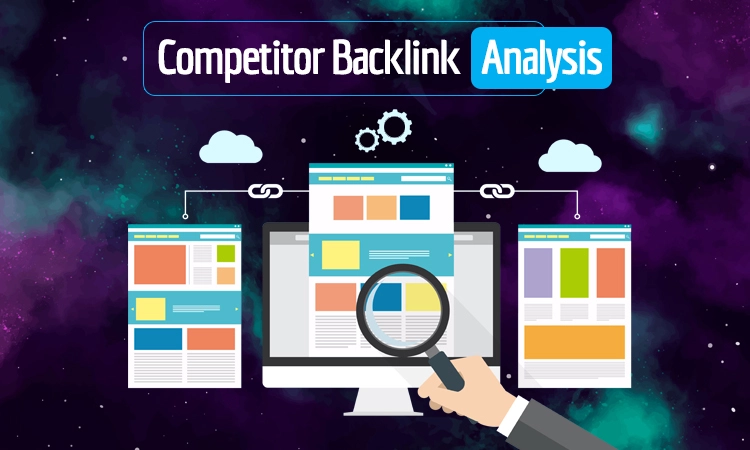
Open Ahrefs or SEMrush and enter your top-ranking competitor’s domain into the Site Explorer or Backlink Analytics tool. Filter results by DR 50+, dofollow links only, and one link per domain. You’ll get a list of high-authority sites that have already decided your topic is worth linking to.
These are your warmest prospects. They’ve demonstrated willingness to link to content like yours. Export this list and cross-reference it against your own backlink profile to identify the gap sites you should prioritise.
2: Google Search Operators
Use targeted search operators to find relevant high-authority publications manually:
site:forbes.com "your industry keyword"to find relevant Forbes coverageintitle:"resources" + "your keyword"to find resource pages that link out"write for us" + "your keyword"to find guest post opportunities on relevant sites
This method takes more time but surfaces opportunities your competitors haven’t found through tool-based research alone.
3: Ahrefs Content Explorer
In Ahrefs Content Explorer, search for your primary topic and filter by DR 50+, published in the last 12 months, and minimum 500 referring domains. This shows you the content in your space that’s actively earning high authority backlinks right now. Study what these pieces have in common and use those patterns to shape your own content strategy.
4: Industry Publication Lists
Every industry has recognised publications, trade journals, and authority blogs. In digital marketing, that means Search Engine Journal, Search Engine Land, Moz Blog, and similar. Make a master list of the top 20-30 publications in your specific niche. These are your tier-one targets. Landing premium links from even 3-5 of these can meaningfully shift your domain’s authority.
Content Requirements for Earning Quality Backlinks

High-authority sites have editors and standards. They don’t link to thin content, recycled opinions, or pages that add nothing new to the conversation. If you want quality backlinks from trusted sources, your content needs to earn them.
What High-Authority Sites Actually Link To
Original research and data: Studies, surveys, and proprietary data sets give journalists and bloggers a primary source to cite. Original data is the single most reliable magnet for authoritative links across every industry.
Comprehensive reference guides: Long-form, deeply researched guides that cover a topic more thoroughly than anything else available. These earn links because other content creators reference them when they need to point readers somewhere authoritative.
Expert commentary and opinion: Well-argued, specific takes on industry developments. Generic “here are 5 tips” posts don’t earn editorial links. Specific, evidence-backed arguments do.
Free tools and calculators: Interactive tools that solve a real problem in your industry earn passive links over time. A useful free tool gets shared, bookmarked, and cited repeatedly without ongoing outreach.
Visual assets: Original infographics, data visualisations, and diagrams that make complex information easy to understand. Visual assets earn links because other sites embed them with attribution.
Content Quality Standards to Meet
Before pitching any site for a high authority backlink, your target page should meet these minimum standards:
- Word count appropriate to the topic depth (typically 1,500+ for pillar content)
- Original insights not found in competing content
- Accurate data with cited sources
- Professional design and fast page load speed
- Mobile-friendly formatting
- Clear authorship with visible credentials
If your content doesn’t clear this bar, fix the content before starting outreach. Pitching weak content to strong sites wastes relationship capital you’ll want later.
Outreach Strategies That Work for Authoritative Sites
Generic outreach doesn’t work on high-authority sites. Their editors receive dozens of pitches daily. Standing out requires a fundamentally different approach than mass email campaigns.
The Personalised Value-First Approach
Every outreach email to a high-authority site should follow this structure:
- Open with a specific reference to their recent content (not a generic compliment)
- Identify a gap or opportunity that your content addresses
- State your value proposition in one sentence: what your content adds that theirs doesn’t
- Provide a direct link to the specific page you want them to consider
- Make a clear, low-friction ask: would they consider linking to it, or covering the data?
Keep the entire email under 150 words. Editors are busy. Long pitches signal you don’t respect their time.
Broken Link Building for Trusted Sites
Use Ahrefs’ broken link checker to find dead links on high-authority sites in your niche. When a trusted site links to a dead page on a topic you cover, you have a perfect, low-resistance outreach opportunity. You’re solving their problem, not just asking for something.
The conversion rate on broken link outreach is significantly higher than cold pitching because you’re leading with a genuine benefit to the site you’re contacting.
Digital PR for Editorial Links
Digital PR campaigns built around original data are the most scalable way to earn high authority backlinks at volume. When you publish a compelling industry study, journalists at major publications actively need sources to cite. One well-executed data campaign can earn links from 20-50 high-DR domains within weeks.
This approach works because it aligns with what high-authority sites already want: credible data to reference in their own reporting.
Resource Page Outreach
Many high-authority sites maintain resource pages linking out to the best tools and guides in their niche. Find these pages using search operators like "best resources" + "your keyword" and pitch your strongest content as an addition. These pages exist specifically to link outward, making them receptive targets for well-matched content.
Relationship Building for Long Term Link Acquisition
One-off outreach gets you one-off links. Relationships get you links repeatedly, with less effort each time.
Engage before you pitch: Follow target editors and journalists on LinkedIn and X. Comment meaningfully on their content. Share their work. When your outreach arrives, you’re not a stranger.
Collaborate on content: Offer to contribute data, expert quotes, or co-authored pieces to high-authority publications before asking for anything in return. Contributing value first builds the goodwill that makes future link requests natural rather than transactional.
Become a regular source: Platforms like Featured.com and Qwoted connect journalists with expert sources. Answering journalist requests consistently builds your profile as a reliable source, and reliable sources get cited and linked to repeatedly.
Acknowledge and thank: When a high-authority site links to you without being asked, reach out and thank them personally. This small gesture opens a relationship that often leads to future links and collaboration opportunities.
Building these relationships transforms high authority backlink acquisition from a constant cold outreach grind into a network-driven, increasingly efficient process over time.
High Authority Backlink Sources by Type
Different types of high-authority sites require different acquisition approaches. Here’s how to approach each category:
| Source Type | Acquisition Method | Avg DR Range | Difficulty |
|---|---|---|---|
| National News Sites | Digital PR, data studies | 75-95 | High |
| Industry Trade Press | Expert commentary, guest posts | 50-75 | Medium |
| University and Edu Sites | Research partnerships, resource pages | 60-90 | High |
| Government Sites | Data contribution, official directories | 70-95 | Very High |
| Major Industry Blogs | Guest posting, broken link building | 50-80 | Medium |
| SaaS and Tool Sites | Integration partnerships, co-marketing | 55-85 | Medium |
| Podcast and Media Sites | Guest appearances with show notes links | 40-70 | Low-Medium |
Focus your early efforts on industry trade press and major industry blogs. These offer the best balance of authority, topical relevance, and realistic acquisition difficulty for most sites.
Mistakes to Avoid When Pursuing Premium Links
Targeting DR without checking traffic: A site with high DR but negligible organic traffic is often a private blog network or link farm. Always verify traffic in Ahrefs or SEMrush before pursuing a link.
Pitching irrelevant sites: A DR 80 site that covers completely different topics adds minimal SEO value and almost no referral value. Topical relevance is non-negotiable for trusted backlinks that genuinely move rankings.
Offering money for links: Paid links on high-authority editorial sites violate Google’s guidelines and put those sites at risk. Legitimate high-authority publications don’t sell links. If they’re willing to sell, they’re not the editorial source you think they are.
Sending mass templated outreach: High-authority editors spot templated emails immediately. Personalisation isn’t optional when you’re targeting premium sites. One well-researched personalised email outperforms 100 generic ones every time.
Neglecting your own content quality: No outreach strategy compensates for mediocre content. If the page you’re trying to earn links for doesn’t genuinely deserve them, fix the page first.
Not following up: Most positive responses come on the second or third contact. A single email with no follow-up leaves a significant percentage of potential quality backlinks unclaimed.
Frequently Asked Questions
What are high authority backlinks and why do they matter?
High authority backlinks are links from websites that Google recognises as trustworthy, well-established, and relevant to your topic. They matter because Google uses backlinks as a core ranking signal, and links from authoritative sources pass significantly more ranking power than links from low-quality sites. A handful of genuinely authoritative links will consistently outperform dozens of weak ones in terms of ranking impact.
What DR score counts as a high authority backlink?
Generally, a Domain Rating of 50 or above is considered a meaningful authority threshold, with DR 65+ representing strong targets and DR 80+ representing premium sources. However, DR alone is not sufficient. Always check the site’s organic traffic and topical relevance alongside its DR score. A DR 55 site with 100,000 monthly visitors in your exact niche is a better link source than a DR 75 site with 2,000 visitors in an unrelated field.
How long does it take to earn high authority backlinks?
Earning links from high-authority sites typically takes longer than lower-tier link building. Initial outreach to editorial responses can take 2-6 weeks. Digital PR campaigns targeting major publications often require 4-8 weeks from pitch to publication. Relationship-based acquisition that builds over several months tends to produce the most consistent results. Patience and consistency matter more than speed.
Can I buy high authority backlinks safely?
No. Paid links that pass PageRank violate Google’s Webmaster Guidelines regardless of the authority of the site selling them. Legitimate high-authority editorial publications don’t sell followed links. Sites that do are either low-quality link farms with inflated metrics or taking significant risks that could result in manual penalties affecting both the selling and buying site. Earn links through content and outreach, not payment.
What content works best for earning authoritative links?
Original research, data studies, comprehensive reference guides, free tools, and expert-led analysis consistently earn the most authoritative links from trusted sites. The common thread is that all of these give other content creators something genuinely useful to reference. Content that simply repeats what already exists earns very few links regardless of its length or production quality.
How do I find the email address of a site editor for outreach?
Hunter.io is the most widely used tool for finding professional email addresses associated with a domain. Apollo.io is an alternative with a larger database. LinkedIn is reliable for finding the specific editor or journalist you want to contact. Many publications also list editorial contact details on their About or Contact pages. Always verify the email is current before sending outreach.
How many high authority backlinks do I need to rank?
The number varies entirely by keyword competition and industry. Analysing the top 5 results for your target keyword using Ahrefs or SEMrush gives you the most accurate benchmark. For moderately competitive terms, 20-50 referring domains from DR 50+ sites is often sufficient. For highly competitive keywords in finance or health, you may need 100-300+ quality referring domains. Match or slightly exceed your top competitors’ referring domain count as your working target.
What is the difference between Domain Authority and Domain Rating?
Domain Authority (DA) is Moz’s metric and Domain Rating (DR) is Ahrefs’ metric. Both attempt to predict how well a site will rank based on its backlink profile, scored 0-100. They use different data sources and calculation methods, so the scores often differ for the same site. Neither is an official Google metric. For practical link prospecting, DR tends to be more frequently updated and widely used among SEO professionals, while DA remains common in client-facing reporting.
Key Takeaways
Earning high authority backlinks isn’t about shortcuts or volume. It’s about targeting the right sites, creating content worth linking to, and building the kinds of relationships that produce links consistently over time.
Here’s what to action today:
- Use DR, DA, and organic traffic together to qualify link prospects properly. Never rely on a single metric
- Audit your competitors’ backlink profiles in Ahrefs to identify your highest-priority target sites
- Invest in original research or data content before scaling outreach. It’s the most reliable foundation for earning premium links from editorial sources
- Personalise every outreach email to high-authority targets. Generic templates don’t work at this level
- Build relationships first by engaging with editors and journalists before making any asks
Your first practical step: open Ahrefs, run a competitor backlink analysis for your top-ranking rival, filter by DR 60+ and dofollow, and build a prioritised outreach list from the results.
If you want 7thClub to handle high-authority link acquisition for your agency clients through our white label link building service, contact our team to discuss a tailored campaign.