Best White Label SEO Provider 10 Factors to Know
Choosing the wrong white label SEO partner can cost your agency more than money. It can cost you clients. With dozens of providers claiming to be the best in the business, knowing who to trust, and more importantly, who to avoid, is one of the most important decisions you’ll make as an agency owner.
The best white label SEO provider for your agency isn’t necessarily the cheapest, the fastest, or the one with the slickest sales deck. It’s the one that delivers consistent results, communicates clearly, and scales alongside your business. This guide walks you through 10 critical factors to evaluate before signing any contract, the red flags that should send you running, and the exact questions to ask during provider interviews.
1. Proven Experience and a Verifiable Track Record
Experience matters in SEO, but it needs to be verifiable. Any provider worth your time should be able to show you real case studies with actual client data, not vague claims about “driving traffic” or “improving rankings.” Ask for specific examples: industries they’ve worked in, the types of sites they’ve optimized, and the results they achieved within defined timeframes.
When you’re evaluating the best white label SEO provider for your agency, look beyond the years in business. A provider with five years of experience in competitive verticals like legal, finance, or healthcare is far more credible than one with ten years of easy wins in low-competition niches. Ask how they stay current with algorithm updates, particularly around Google’s Helpful Content System and E-E-A-T guidelines, which have reshaped how rankings are earned since 2023.
Case studies should include before-and-after data, the strategies used, and the timeline to results. If a provider can’t or won’t share this level of detail, that’s your first warning sign.
2. Transparent Reporting That Clients Will Actually Trust
Reporting is where most white label SEO providers fall apart. You’re selling these reports to your clients under your brand, so they need to be professional, accurate, and genuinely informative, not just vanity metrics dressed up in a nice PDF.
The best white label SEO providers offer branded, white-label dashboards that pull live data from tools like Google Search Console, GA4, Ahrefs, or SEMrush. Reports should cover organic traffic trends, keyword movement, backlink acquisition, Core Web Vitals performance, and conversion data where applicable. Monthly summaries should tell a story, not just show numbers.
Before committing to any provider, ask for a sample report. Check whether it explains why metrics changed, not just that they changed. Clients don’t want data dumps; they want context and clarity.
3. Scalable Service Delivery
Your agency might start with five SEO clients, but what happens when you onboard twenty? The best white label SEO provider should be able to scale with you without sacrificing quality. This means asking direct questions about team size, capacity limits, and how they handle volume spikes.
Many providers look great at small scale but buckle under pressure. Their content quality drops, link outreach slows down, and communication gets patchy. Ask how many agencies they currently serve, what their fulfillment process looks like, and how they prioritize work during busy periods. If they can’t give you a clear answer, assume the worst.
Scalability also means service breadth. As your client base grows, you’ll need providers who can handle technical SEO audits, content production, local SEO, and link building all under one roof, or at least have reliable referral partners for what they don’t cover. For agencies managing local SEO clients specifically, our white label local SEO services are built to scale without the growing pains.
4. Communication Standards and Account Management
Poor communication is the fastest way to lose client trust. If you’re constantly chasing your provider for updates, it creates a chain reaction: you look unresponsive to your clients, which damages your reputation.
When evaluating SEO provider selection, ask specifically about communication protocols. How often will you receive updates? Is there a dedicated account manager, or will you be shuffled between team members? What’s the typical response time for urgent issues? These aren’t unreasonable questions; they’re non-negotiable requirements.
The best white label SEO partner will proactively reach out when something changes, whether that’s a Google algorithm update affecting your clients’ rankings or a technical issue discovered during a routine audit. Reactive communication is a red flag. Proactive communication is a green light.
Request a trial period of 30 to 60 days before committing to a long-term contract. This gives you a real-world look at how they communicate under normal conditions, not just how they perform during the sales process.
5. Ethical SEO Practices (White Hat, Always)
This one should go without saying, but it doesn’t. Some providers still use manipulative tactics: private blog networks, link farms, exact-match anchor text manipulation, and thin AI-generated content stuffed with keywords. These tactics might produce short-term gains, but they create serious long-term risks for your clients’ sites.
Ask every potential provider directly: “What link building methods do you use?” and “How do you handle content creation?” The best white label SEO provider will have clear, documented processes that align with Google Search Central guidelines. They’ll talk about editorial link placement, digital PR, topical authority building through content clusters, and technical optimizations grounded in Core Web Vitals data.
If they’re vague, evasive, or pivot to talking about results without addressing the method, walk away. You’re the one who’ll be explaining a Google penalty to your client.
6. Pricing Structure and Contract Flexibility
Pricing in the white label SEO space varies enormously, and that’s not inherently a problem. What is a problem is lack of transparency around what you’re actually paying for. Flat monthly retainers, per-deliverable pricing, and tiered packages all have their place depending on your agency model.
When assessing outsourcing SEO options, watch out for lock-in contracts with no performance clauses. A confident provider won’t need to trap you in a 12-month agreement with no exit ramp. Look for month-to-month options, or at minimum, 90-day agreements with clear deliverables outlined upfront.
Also understand the markup structure. Most agencies mark up white label services by 30 to 100 percent. If a provider’s pricing doesn’t leave you with a sustainable margin after accounting for your own overhead, the partnership won’t last. Ask for a full breakdown of what’s included at each price point, and make sure there are no surprise add-ons hiding behind the baseline fee.
7. Content Quality and Topical Authority Building
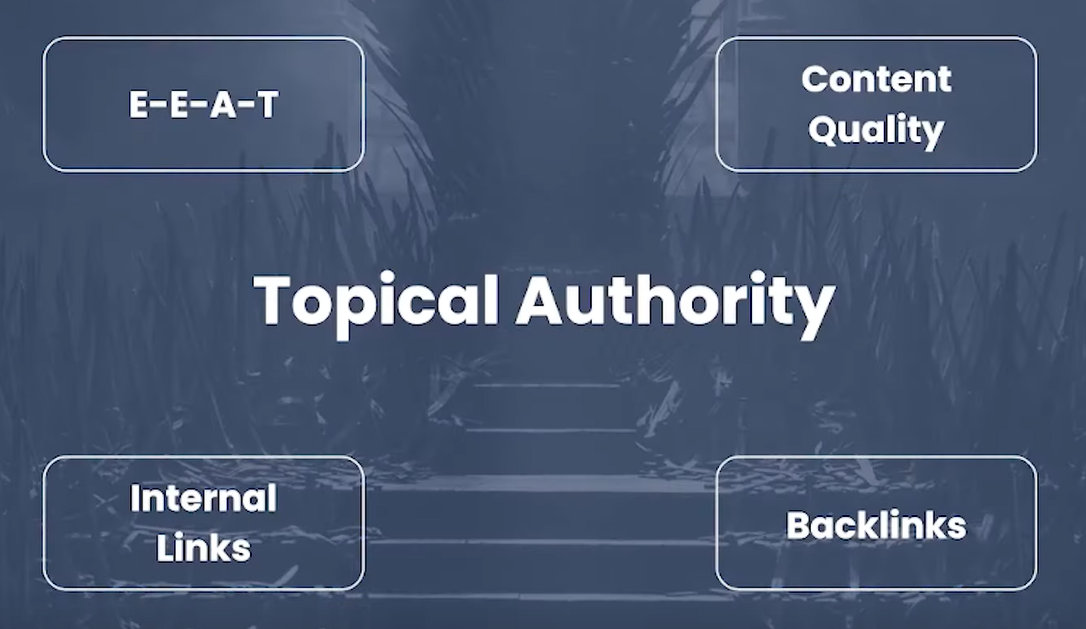
SEO in 2025 and 2026 is fundamentally content-driven. Google’s systems are increasingly sophisticated at recognizing thin, generic content, and that means your clients need depth, not volume. The best white label SEO provider should have a clear content strategy framework that goes beyond writing blog posts.
Ask about their approach to topical authority. Do they build content clusters around pillar pages? Do their writers have subject-matter expertise or are they generalists? How do they handle content for regulated industries like healthcare, law, or finance where E-E-A-T is especially critical?
Request writing samples and assess them critically. Look for original insight, accurate information, proper structure, and natural keyword usage. If the samples read like they were produced by an unedited AI tool with no human polish, that’s what your clients will receive. Our team’s approach to white label content writing is built around experienced writers who specialize by industry, not generalists producing bulk output.
8. Technical SEO Capabilities
On-page optimization and link building get most of the attention, but technical SEO is often what separates stagnant rankings from meaningful growth. Your white label partner needs to be capable of identifying and resolving crawlability issues, improving site architecture, managing redirects and canonicalization, and optimizing for Core Web Vitals.
Ask for examples of technical SEO audits they’ve conducted. A comprehensive audit should address indexation, page speed, internal linking structure, schema markup implementation, mobile performance, and duplicate content. If the provider’s technical capabilities top out at meta tag optimization, they won’t be able to serve clients with more complex websites.
Tools like Screaming Frog, Ahrefs, SEMrush, and Google Search Console should be standard in their toolkit. Ask which tools they use for technical audits and how they prioritize issues when a site has dozens of problems competing for attention.
9. Red Flags to Watch For
Knowing what to avoid is just as important as knowing what to look for. These are the clearest warning signs that a provider isn’t the best white label SEO partner for your agency:
- Guaranteed rankings in a specific timeframe. No legitimate SEO provider can guarantee first-page rankings because Google’s algorithm isn’t in their control.
- No contract, no process documentation. If they can’t show you a defined fulfillment process, they’re improvising, and your clients will feel it.
- Unwillingness to share client references. Even with confidentiality in place, a reputable provider can connect you with satisfied agency partners.
- One-size-fits-all packages with no customization. Every client’s SEO needs are different. Cookie-cutter approaches rarely deliver meaningful results.
- Outsourcing to unknown third parties. Some providers are resellers themselves. Ask whether work is done in-house and, if not, who the subcontractors are.
- No clear link acquisition methodology. “We build high-quality links” is not a methodology. Ask for specifics.
10. Trial Period and Onboarding Process
Before committing to a long-term engagement, insist on a structured trial period. A 30-day trial focused on one or two clients gives you a real-world look at delivery speed, communication quality, and work quality without the risk of locking in an entire client roster.
During the trial, evaluate these specific things: How quickly was onboarding completed? Were deliverables on time and on spec? How responsive was the team to feedback? Did reporting match what was promised in the sales process?
The best white label SEO provider will welcome a trial because they’re confident in their delivery. If a provider resists or insists on a minimum commitment before they’ll show you their work, that tells you everything you need to know. For a broader look at what to expect from a fully managed partnership, explore our white label SEO agency services to see how we structure client onboarding and delivery.
Interview Questions to Ask Every Provider
Before making your final decision, use these questions as your evaluation framework:
- Can you share three case studies in industries similar to our clients?
- What is your exact link acquisition process, and how do you vet placement sites?
- How do you handle Google algorithm updates that negatively impact client rankings?
- Who manages our account day-to-day, and what’s their experience level?
- What does your onboarding process look like, and how long does it typically take?
- How do you produce content, and do your writers have subject-matter expertise?
- What tools do you use for reporting, and can reports be fully branded?
- What’s your capacity, and how do you manage quality as volume increases?
- Can you provide agency references we can contact directly?
- What happens if results don’t meet agreed benchmarks? Is there a performance clause?
The answers to these questions will tell you far more than any sales presentation.
Frequently Asked Questions
What makes a white label SEO provider different from a standard SEO agency?
A white label SEO provider delivers services that your agency resells under your own brand. Clients never know the provider exists. The key difference is that white label providers are built to support agencies with branded reporting, scalable fulfillment, and account management structures designed for reseller relationships, not direct client acquisition.
How much does white label SEO typically cost?
Pricing varies widely based on scope and provider quality. Basic packages start around $500 per month per client, while comprehensive campaigns including content, links, and technical SEO can run $1,500 to $3,000 or more. Most agencies mark up these costs by 30 to 100 percent when reselling to clients.
How long does it take to see results from white label SEO?
Realistic timelines depend on the client’s starting position, competition level, and the scope of work. Most campaigns show meaningful keyword movement within three to six months. Significant traffic growth typically takes six to twelve months. Any provider promising faster results is likely cutting corners or overpromising.
Can I switch white label SEO providers without my clients finding out?
Yes, in most cases. Since all work is delivered under your brand, switching providers is an internal operational change. The key is ensuring smooth handover of existing strategy documents, login credentials, and reporting history so there’s no visible disruption to your clients.
What should be included in a white label SEO contract?
A solid contract should specify deliverables, timelines, reporting frequency, communication standards, pricing and payment terms, confidentiality clauses, and exit conditions. Avoid open-ended contracts with no defined deliverables or performance benchmarks.
How do I know if a white label SEO provider is using ethical tactics?
Ask directly for their link acquisition methodology and content production process. Request samples of recent link placements and writing. Check whether the sites they link from are real, editorial publications with genuine traffic, or obvious link farms. Run their example links through Ahrefs to verify domain quality and traffic.
Is it better to use one provider for everything or specialize by service?
It depends on your client base. One full-service provider simplifies account management but requires finding a genuinely capable team across all disciplines. Specializing by service (e.g., one provider for content, another for links) can improve quality but complicates coordination. Most agencies start with one provider and expand from there.
Key Takeaways
- The best white label SEO provider for your agency is one with verifiable results, transparent processes, and communication that matches your standards, not just your budget.
- Always request case studies, sample reports, and agency references before committing.
- Run a 30 to 60-day trial period before locking in long-term agreements.
- Red flags like guaranteed rankings, vague link-building methods, and all-in-one cookie-cutter packages are signs of a provider to avoid.
- Pricing transparency and contract flexibility matter as much as service quality. A great provider shouldn’t need to trap you in a long-term deal to prove their value.
If you’re ready to evaluate your options or want to see how a transparent, results-driven white label partnership actually works, get in touch with the 7thClub team and we’ll walk you through exactly what we deliver and how.